Common problems when gardeners access Muswell Hill back gardens
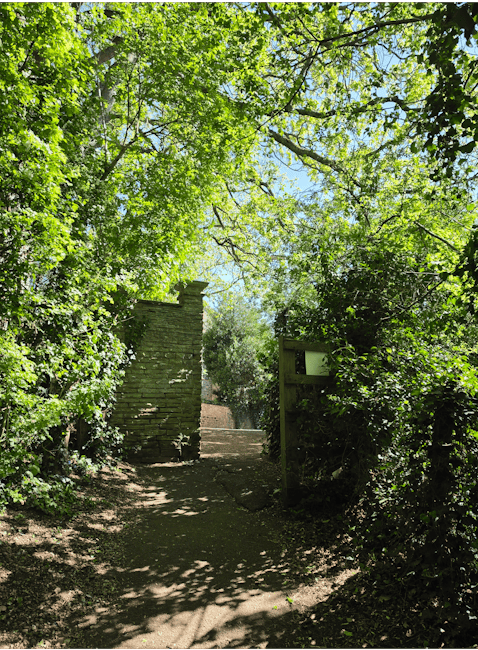
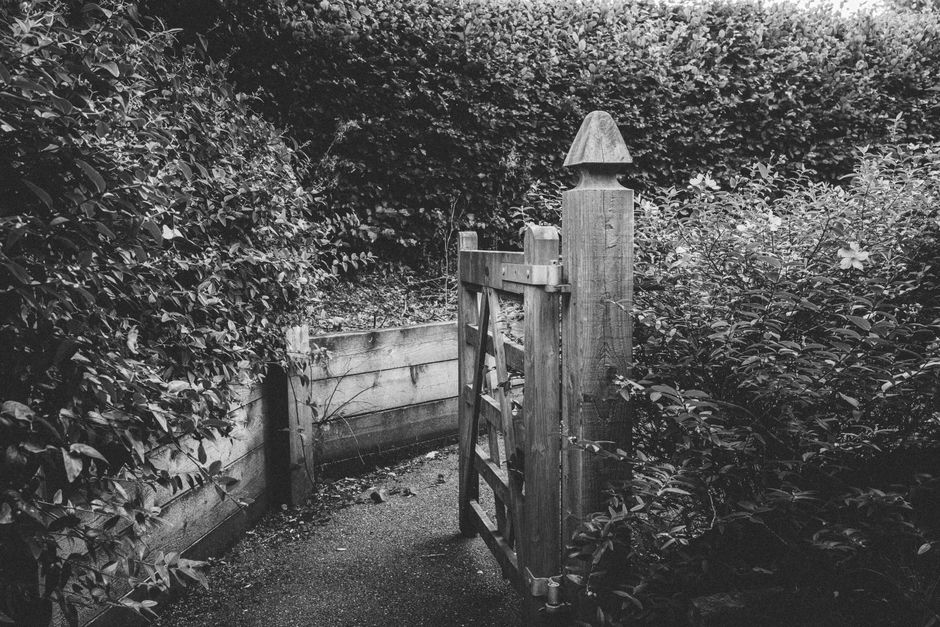
Getting a gardener into a back garden sounds simple enough. In Muswell Hill, though, the reality is often a bit more awkward. Narrow side passages, steep steps, shared access, locked gates, awkward parking, and delicate planting areas can all turn a routine visit into a small logistical puzzle. If you are trying to understand the common problems when gardeners access Muswell Hill back gardens, this guide breaks down what usually goes wrong, why it matters, and what actually helps. Not in theory. In real life.
Whether you are booking regular garden maintenance, planning a one-off tidy-up, or dealing with a bigger overgrown plot, access affects time, cost, safety, and the final result. The good news? Most access issues can be managed with a bit of planning and the right expectations. Let's walk through it properly.
Why Common problems when gardeners access Muswell Hill back gardens Matters
Access is not just a convenience issue. It shapes the whole job. If a gardener cannot move equipment safely through the property, the work may take longer, cost more, or need to be adjusted on the day. That might mean hand-carrying bags of waste through a narrow hallway, working with smaller tools, or splitting a larger job into multiple visits. None of that is ideal, but it is very normal in London garden work.
In Muswell Hill, back gardens are often tucked behind terraced homes, period properties, or homes with mature planting and tighter boundaries. Beautiful, yes. Convenient for moving a mower, ladder, or wheelbarrow? Not always. You may also find that the access route itself is the problem rather than the garden. A side gate can be too narrow, a path may be uneven, or a slope may make it hard to move anything bulky without risk.
For the homeowner, this matters because access issues often affect the quality of service you receive. For the gardener, it matters because a rushed or poorly planned entry route can create avoidable damage to paving, fences, lawns, and even indoor floors if tools and soil are carried through the house. To be fair, the mess tends to show up in the least convenient places. Right down the hallway, usually.
Expert summary: If a garden can only be reached through a narrow, shared, or fragile route, the main risks are delay, damage, extra labour, and avoidable stress. Solving access early is one of the simplest ways to keep a job smooth.
How Common problems when gardeners access Muswell Hill back gardens Works
In practice, access is usually assessed before any tools come out of the van. A gardener will want to know how they can reach the back garden, where they can park, whether there is room to carry equipment, and whether waste can be removed without disturbing the household. This is especially important for jobs like hedge reductions, tree work, or large-scale clearances where materials add up fast.
Typical access routes include:
- a side passage or alley
- the main house entrance and interior hallway
- a rear gate shared with neighbours
- a garden access point through a garage or outbuilding
- delivery through the front and around to the rear
Each route has a different set of problems. A side passage may be too tight for a standard mower. A shared gate might need coordination with another resident. Indoor access can be perfectly possible, but only if the path is protected and everyone agrees on the process in advance. Gardeners are used to improvising, but good jobs still depend on clear information upfront.
Sometimes the issue is not the route itself but what it affects. Wet weather can make a narrow path slippery. Heavy pots, compost bags, or long branches are awkward at the best of times, and downright annoying when the route involves steps and a bend halfway through. A decent plan saves everybody from that slightly chaotic moment where two people are trying to twist a hedge trimmer through a gate at the same time. No one enjoys that.
Key Benefits and Practical Advantages
When access is thought through properly, the benefits are immediate and fairly obvious. The job starts on time, finishes more cleanly, and usually feels less disruptive for the household. That sounds basic, but basic is good. Basic is what saves money and prevents fuss.
- Less risk of damage: Clear routes reduce the chance of scuffed walls, broken fence panels, crushed plants, or muddy footprints indoors.
- Faster work: If tools and waste can move easily, the gardener spends more time on the garden and less time battling the route.
- More accurate pricing: Good access information helps avoid awkward surprises and makes quotes more reliable.
- Better finish: A team that is not fighting access problems is usually better able to tidy properly at the end.
- Safer working conditions: Fewer trip hazards, less lifting strain, and better tool handling all matter.
There is also a quieter benefit: peace of mind. If you know the access issue has been discussed in advance, you are not waiting nervously for a call asking whether the back gate is actually usable. A lot of garden stress is just uncertainty wearing a hard hat.
For larger or neglected gardens, access planning can also open the door to fuller work. That might include garden clearance, tree pruning via tree lopping and removal, or wider redesign work through landscaping and landscape gardening.
Who This Is For and When It Makes Sense
This topic matters to anyone who has a back garden that is not straightforward to reach. That includes homeowners, landlords, tenants arranging work with permission, letting agents, and people managing properties with shared entrances or split-level layouts. If you have ever looked at a hedge, then at the gate, then back at the hedge with a slight sigh, you are the right audience.
It makes sense to think about access before booking if:
- your garden can only be reached through the house
- the side passage is narrow or cluttered
- there are steps, slopes, or uneven paving
- the gate or latch is stiff, broken, or very narrow
- you need waste removed in larger amounts
- the job involves heavy tools, ladders, or bulky materials
- neighbours share the access point or boundary
It is also worth thinking ahead if your job is seasonal. Spring growth, autumn leaf fall, and pre-summer tidy-ups all tend to bring more demand, and a tight access route can slow things down when schedules are already busy. If you want regular visits, a service like lawn mowing or ongoing hedge trimming becomes much easier to manage when access is stable and predictable.
Step-by-Step Guidance
If you want fewer surprises, use this simple process before work begins. It is not fancy. It just works.
- Walk the route from street to garden. Open the gate, check the passage, and look for pinch points, steps, locks, or loose slabs.
- Measure the narrowest part. You do not need an architect's survey. A rough width is often enough to tell whether standard equipment can pass through.
- Note the surface condition. Mud, moss, gravel, wet decking, and old paving all change how safely equipment can be moved.
- Decide where waste will go. If the gardener has to carry green waste through the house, protect floors and agree the route in advance.
- Check parking and unloading. If the van cannot stop close by, the whole visit may take longer than expected.
- Clear the access path. Move bins, toys, bikes, planters, and anything else that turns a narrow route into a trap.
- Flag special issues early. Low doorframes, shared gates, pets, alarm systems, and neighbours who need notice all belong in the first conversation.
A good rule is to describe the access route as if you were guiding someone through it with both hands full. If that sounds awkward, it probably is awkward. Better to say so plainly than pretend it will be fine and hope for the best.
For bigger jobs, ask whether the plan should include related services such as garden maintenance or, if the garden has become too overgrown to work safely, a deeper tidy through garden clearance.
Expert Tips for Better Results
After a while, the same patterns show up again and again. A few small habits make the biggest difference.
Tip 1: Assume awkwardness until proven otherwise. That sounds pessimistic, but it keeps expectations grounded. London back gardens are often tighter than they look from the kitchen window.
Tip 2: Protect indoor routes before the first muddy boot step. If access must go through the house, ask about dust sheets, floor runners, and how waste bags will be moved. A bit of prep saves a lot of cleaning.
Tip 3: Separate "can we get in?" from "can we work well once inside?" Those are not the same question. A mower may fit through the gate but still be useless if the garden itself is steep or full of obstacles.
Tip 4: Be realistic about waste volume. A small hedge trim can create far more clippings than people expect. Same for shrub pruning. The route out matters almost as much as the route in.
Tip 5: Use regular maintenance where possible. It is much easier to manage a neat, accessible garden than to tackle a once-a-year jungle. Routine visits usually reduce the access pressure over time.
And honestly, that last point saves a lot of bother. A garden that is kept on top of rarely becomes the sort of thing that needs a heroic rescue mission at 8:00 on a wet Tuesday morning.
Common Mistakes to Avoid
Most access problems are predictable. Which means most mistakes are, too.
- Assuming the gardener will just "make it work". Sometimes they can. Sometimes they can, but at a cost in time and wear.
- Forgetting about waste removal. Getting in is only half the job. Getting clippings, soil, or branches back out is just as important.
- Leaving the access path cluttered. Even a neat side passage can become difficult when bins and bicycles are in the way.
- Not mentioning pets or children's equipment. It sounds minor, but it changes how safely tools can be moved.
- Skipping a site check. Photos help, but they do not replace a quick look at the actual route.
- Ignoring neighbour or shared-gate issues. Small access misunderstandings can become annoying very quickly.
The biggest mistake, though, is silence. If you think the route is tight, say so. If the lock sticks, say so. If the only way through is via the kitchen, say so. That one honest sentence can prevent a surprisingly expensive mess later.
Tools, Resources and Recommendations
You do not need a van full of specialist kit to prepare for access issues, but a few practical items help a lot.
| Situation | Useful approach | Why it helps |
|---|---|---|
| Narrow side access | Lightweight tools, compact mower, hand-carry waste bags | Reduces strain and avoids forcing equipment through tight gaps |
| Indoor access required | Dust sheets, floor protection, planned carrying route | Protects flooring and makes cleanup quicker |
| Uneven or sloped route | Non-slip footwear, smaller loads, slower transfer of materials | Improves safety and reduces dropped waste |
| Large pruning or clearance job | Pre-agreed waste stacking point and removal plan | Keeps the job organised instead of chaotic |
| Shared gate or neighbour boundary | Written or verbal access agreement in advance | Avoids delays and awkward misunderstandings |
For some properties, a services overview is a useful starting point because it helps match the job to the access route. If the route is tight, smaller-scale maintenance may be a better fit than a heavy clearance or redesign. You might also find that combining tasks, such as lawn mowing and hedge trimming, reduces repeat access disruptions.
If you are planning a bigger transformation, services such as decking services or broader landscape gardening may need extra access planning from the start. That is normal. It is just part of doing the job properly.
Law, Compliance, Standards, or Best Practice
Access to back gardens can raise practical safety, property, and insurance considerations. Exact obligations vary depending on the job, the property, and who is carrying out the work, so it is wise to avoid making assumptions. In the UK, reputable gardeners and landscaping teams usually work to sensible health and safety practices, take care around trip hazards, use equipment appropriately, and keep a clear record of any concerns that could affect safe access.
For homeowners, the main best-practice points are straightforward:
- make sure access routes are disclosed honestly
- remove avoidable hazards before the visit
- check that pets, gates, and children's items will not get in the way
- ask how waste will be removed and where it will be placed
- confirm whether indoor access needs protection or special handling
For contractors, it is sensible to be clear about insurance, safe working methods, and what will happen if access turns out to be different from what was described. Pages such as insurance and safety, health and safety policy, and terms and conditions are useful reference points for that kind of clarity. They help set expectations without drama.
There is also a sustainability angle. If green waste needs moving through the house or out to the van, good segregation and tidy handling make the job cleaner. Some clients prefer to ask about recycling and sustainability so they know clippings, branches, and other garden material are handled responsibly. Fair enough, really.
Options, Methods, or Comparison Table
There is no single right way to access a back garden. The best method depends on the property and the size of the job. Here is a simple comparison that reflects what usually works best.
| Access method | Strengths | Limitations | Best suited to |
|---|---|---|---|
| Side passage or alley | Usually keeps mess outside the home | Can be too narrow or slippery | Routine maintenance, smaller tools |
| Through the house | Works even when external access is limited | Needs protection and more care | Properties with no side access |
| Shared rear gate | May be the shortest route | Needs coordination with neighbours | Terraces and shared boundary layouts |
| Front-to-back carry route | Flexible if the route is clear | Can be time-consuming and tiring | Waste removal or larger items |
If the route is borderline, the method often changes the whole feel of the job. A compact, well-planned visit can be smooth; the same garden can become awkward if the wrong equipment is brought along. That is why good pre-visit questions matter so much.
Case Study or Real-World Example
A typical Muswell Hill scenario goes something like this: the garden looks accessible from the house, but the side return is narrow, the gate opens inward, and the paving dips slightly near the back. On paper, it seems manageable. On site, it is manageable too, but only if the gardener uses smaller tools, keeps waste in lighter bags, and takes extra care near the step down into the garden.
In another real-world-style example, a homeowner wants a full tidy after a long spell of neglect. The shrubs have grown across the path and the lawn edge is barely visible. The first challenge is not the pruning. It is getting in and out without crushing the planting or dragging debris through the kitchen. The smart move is usually a blend of garden clearance and ongoing garden maintenance so the space becomes workable again rather than just temporarily cleared.
What tends to surprise people is how much smoother everything feels once the access route is mapped out. The garden itself may be the same, but the experience changes completely. Less stopping and starting. Less noise. Fewer muddy footprints. More actual gardening. Funny how that works.
Practical Checklist
Use this checklist before booking or before the team arrives.
- Have I explained exactly how the gardener will reach the back garden?
- Are there any narrow gates, steps, slopes, or locked side passages?
- Will tools or waste need to pass through the house?
- Have I moved bins, toys, bikes, and other clutter out of the access route?
- Do I need floor or carpet protection indoors?
- Is there enough space for parking or unloading nearby?
- Have I warned about pets, alarms, or shared access arrangements?
- Do I know whether the job needs regular maintenance or a larger clearance first?
- Have I checked whether the route is safe in wet weather?
- Do I understand any relevant insurance, safety, or service terms?
Quick takeaway: if you can describe the access route clearly in one minute, the gardener can usually plan properly. If you cannot, it probably needs a closer look. That is not a problem, just a signal to slow down a bit.
Conclusion
The common problems when gardeners access Muswell Hill back gardens usually come down to the same handful of issues: narrow passages, shared gates, awkward steps, indoor carry routes, waste removal, and simple lack of planning. None of those are unusual. In fact, they are part of the everyday reality of working in London gardens, especially around older or tightly arranged homes.
The best outcome is rarely about forcing the job through. It is about matching the plan to the property, being honest about the route, and choosing the right type of service for the access available. Once that is done, the rest usually feels easier, calmer, and a lot more professional. A bit less faff, which is always welcome.
If you are comparing options or trying to prepare for a visit, a clear conversation now will usually save time later. And if the garden needs more than a quick tidy, it may be worth looking at the wider services overview to see which approach fits the space best.
Get a free quote today and see how much you can save.
Frequently Asked Questions
What are the most common access problems for back gardens in Muswell Hill?
The most common issues are narrow side passages, shared gates, steep steps, poor parking, and access through the house. In many cases, the route is possible but slower than people expect.
Can gardeners work if the only access is through the house?
Yes, often they can. The key is protecting floors, planning the route, and making sure everyone understands where tools and waste will go. It is workable, just a bit more careful.
Do access problems make gardening more expensive?
They can, because awkward access may take more time and require smaller loads or extra protection. The exact effect depends on the garden and the job size, so it is better to describe the route clearly before quoting.
Should I measure my side passage before booking?
If the passage looks tight, yes. Even a rough measurement helps. It gives the gardener a much better idea of whether standard equipment will fit or whether a different approach is needed.
What should I tell a gardener before they arrive?
Tell them how to get in, where the gate is, whether there are steps or slopes, if access goes through the house, and whether anything is likely to be in the way. Mention pets, shared gates, and parking too.
Is it safer to use smaller tools for difficult access?
Often, yes. Smaller tools can be easier to carry and safer to move through narrow routes. That said, the right tool still depends on the work being done, so it is not a one-size-fits-all answer.
What if my garden is overgrown and hard to reach?
In that case, a first visit may need garden clearance before normal maintenance can happen. Overgrowth can block the access route as much as the working area itself.
Can access through a shared gate cause issues with neighbours?
Yes, it can if everyone is not informed. Shared access works best when expectations are clear and the timing is agreed in advance. A quick conversation usually avoids awkwardness later.
Do gardeners need to know about insurance or safety concerns?
Yes, especially if the access route is awkward or the job involves heavy tools and waste. It is sensible to ask about insurance and safety and how the team manages risk on site.
How can I make a back garden easier to access long term?
Keep the route clear, maintain gates and steps, avoid storing clutter in the passage, and book regular visits before the garden becomes overgrown. Ongoing garden maintenance is usually the easiest way to keep access manageable.
When is the best time to discuss access problems?
Before the booking is confirmed, ideally. The earlier the issue is raised, the easier it is to choose the right tools, schedule, and service plan. Last-minute surprises are where most headaches start.
What happens if access turns out to be worse than expected on the day?
A good team will usually pause, reassess, and adjust the plan rather than forcing the job in a risky way. That might mean changing the method, reducing the scope, or rescheduling part of the work. Not ideal, but safer than guessing.
Can access problems affect waste removal?
Absolutely. Even if the garden work is straightforward, removing cuttings, branches, or soil can be the hardest part. That is why waste volume and exit route should always be considered together.
In the end, access is one of those details that looks minor until it becomes the whole story. Get it right, and the job feels easy. Get it wrong, and everything gets a little more complicated than it needed to be. Best to be plain about it from the start, really.