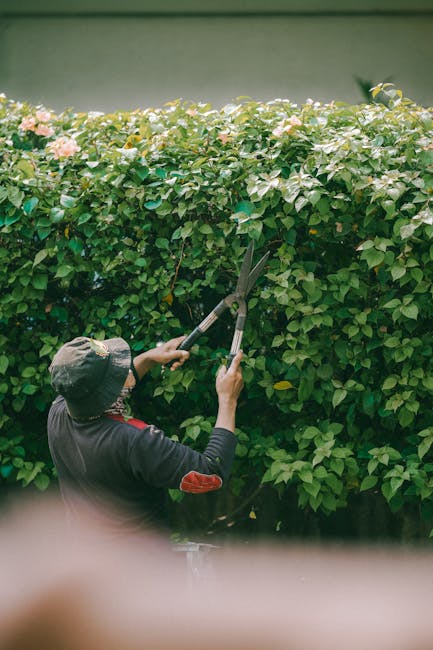
Garden maintenance in N10 Fortis Green explained
If your garden in Fortis Green has gone from "pleasantly lived-in" to "slightly out of control", you are not alone. London gardens can change quickly: one week the lawn looks fine, the next there are weeds in the borders, a hedge blocking light, and a pile of clippings that somehow appeared overnight. Garden maintenance in N10 Fortis Green explained, in plain terms, means keeping outdoor spaces healthy, tidy, safe, and usable throughout the year rather than letting problems build up and become expensive or awkward to fix.
This guide walks through what garden maintenance actually includes, how it works in a real household setting, when it makes sense to book help, and what to look for if you want steady results rather than one-off patchwork fixes. You will also find practical checklists, a comparison table, and a straightforward FAQ section at the end. No fluff. Just the bits that matter.
Table of Contents
- Why Garden maintenance in N10 Fortis Green explained Matters
- How Garden maintenance in N10 Fortis Green explained Works
- Key Benefits and Practical Advantages
- Who This Is For and When It Makes Sense
- Step-by-Step Guidance
- Expert Tips for Better Results
- Common Mistakes to Avoid
- Tools, Resources and Recommendations
- Law, Compliance, Standards, or Best Practice
- Options, Methods, or Comparison Table
- Case Study or Real-World Example
- Practical Checklist
- Conclusion
- Frequently Asked Questions
Why Garden maintenance in N10 Fortis Green explained Matters
Fortis Green gardens tend to face the same quiet pressures as many North London outdoor spaces: limited time, variable shade, narrow access, and plants that do not always behave themselves. A garden does not need to be large to become hard work. In fact, smaller gardens often show neglect faster because every untidy edge, patch of moss, or overgrown shrub is visible at once.
Good maintenance is not just about neatness, though that is part of it. It protects the structure of the garden. Regular lawn care helps grass stay thick enough to crowd out weeds. Hedge trimming keeps boundaries tidy and stops plants from becoming woody and sparse. Seasonal pruning supports healthier growth. Clearing leaves and debris helps reduce slippery paths, pests, and fungal build-up. That is the boring answer, but honestly, the boring answer is often the useful one.
There is also the question of value. A well-kept garden usually feels more inviting, more usable, and easier to enjoy. If you want a place for morning coffee, a child's play area, somewhere for pots and climbers, or simply a space that looks cared for from the kitchen window, maintenance is what makes that happen. If the garden has been neglected for a while, a one-off tidy-up may help, but ongoing care is what keeps it from sliding back.
For many households, the challenge is not lack of interest. It is rhythm. Life gets busy, weather changes, the grass grows after rain, and suddenly the garden is asking for more than you can reasonably give it on a Sunday afternoon. That is where a structured maintenance plan becomes genuinely useful.
How Garden maintenance in N10 Fortis Green explained Works
Garden maintenance is usually built around a repeatable routine rather than a single dramatic visit. The exact mix depends on the season, the condition of the garden, and what the homeowner wants to prioritise. A typical visit might include mowing, edging, weeding, hedge shaping, pruning, leaf clearance, plant deadheading, watering checks, and a general tidy-up of paths and borders.
In practice, a good maintenance service starts with a simple look around: what is growing well, what is getting out of hand, and what could become a problem if ignored. The work then gets split into priority tasks. For example, a lawn that is growing fast after damp weather may need attention before anything else, while a border full of spent annuals might be better tackled once the main cutting and safety checks are complete.
Some gardens need a light touch every couple of weeks. Others are better suited to monthly visits plus a seasonal reset. Truth be told, there is no magic schedule that fits everybody. A shady garden with mature shrubs will behave differently from a small sunny patio with raised beds, and both may need a different level of care as the year moves on.
If you are using a professional service, the process often includes an initial discussion about what the garden needs, any problem areas, access points, disposal of green waste, and whether you want a regular arrangement or a one-off visit. It is worth being specific here. "Keep it tidy" is understandable, but "please keep the front hedge lower, the side path clear, and the lawn edged" gives much better results.
Many homeowners also combine maintenance with other services depending on what the garden needs. A more overgrown space may benefit from garden clearance first, followed by ongoing maintenance. If hedges are the main issue, targeted hedge trimming can make the whole space feel more manageable straight away. A lawn that has become patchy or too long may need consistent lawn mowing as part of the routine.
Key Benefits and Practical Advantages
The real benefit of garden maintenance is not just a nice-looking outside space, although that matters. It is the way regular care stops small issues from becoming awkward ones.
- Better garden health: plants, lawns, and shrubs respond better to regular care than to occasional rescue work.
- Less overgrowth: tidier edges, clearer paths, and more balanced growth make the whole garden easier to use.
- Lower risk of damage: if hedges, trees, or climbing plants are left unmanaged, they can become unruly or start causing pressure on fences and structures.
- Safer access: leaves, moss, and debris can make paths slippery. Regular clearing helps reduce that risk.
- More consistent appearance: the garden does not swing between immaculate and wild.
- Better seasonal performance: a garden that is looked after in spring, summer, autumn, and winter tends to bounce back more easily.
There is a small psychological benefit too. You notice it on a damp Tuesday evening when the garden still looks presentable from the back door. The space feels calmer. Less guilt-inducing, if we are being honest.
Regular upkeep can also make later improvements easier. If you are planning new planting, decorative features, or larger work such as landscaping or landscape gardening, it helps enormously when the space is already under control.
Who This Is For and When It Makes Sense
Garden maintenance makes sense for a lot more people than you might think. It is not only for large gardens or people who want a showpiece outside space. In Fortis Green, it is often most useful for busy families, older homeowners, landlords, and anyone who wants the garden to remain practical rather than becoming another weekend job that keeps getting postponed.
You may benefit from regular maintenance if:
- your garden grows quickly and looks untidy soon after cutting;
- you do not have the time, tools, or physical ability to keep on top of it;
- you want to protect planting and lawn quality through the seasons;
- you have hedges, shrubs, or small trees that need routine care;
- you are preparing to sell, let, or improve the property;
- the garden has become too large a job to tackle in one go.
It also makes sense after a period of neglect. Maybe you have moved in and inherited someone else's garden habits. Maybe work has been hectic. Maybe the rain has been relentless and everything has just taken off. Happens all the time. A one-off reset followed by steady maintenance is often the most sensible route.
For some properties, maintenance and minor repairs are enough. For others, a stronger intervention is needed first, such as garden clearance or selective tree work. If branches are crossing into unwanted areas or blocking light, tree lopping and removal may be relevant, although that should always be approached carefully and with proper judgement.
Step-by-Step Guidance
If you are trying to make sense of garden maintenance in a practical way, here is a simple step-by-step approach that works well for most N10 gardens.
- Assess the space honestly. Walk through the garden and note what is healthy, what is messy, and what is actually causing problems. Not every wild-looking patch is a problem; sometimes it is simply seasonal growth.
- Separate routine jobs from one-off jobs. Routine jobs include mowing, weeding, edging, pruning, and tidying. One-off jobs might include clearance, cutting back a large hedge, or restoring a forgotten corner.
- Set priorities. Safety and access come first. A blocked path, heavy leaf fall, or overgrown boundary needs dealing with before decorative detail.
- Choose the right frequency. Weekly, fortnightly, monthly, or seasonal visits all have different uses. The right interval depends on growth rate and how tidy you want the garden to stay.
- Decide what you want included. Some people want basic mowing and clearing. Others want planting care, shrub shaping, and more detailed attention to beds and borders.
- Check waste handling. Green waste can build up quickly. Ask how clippings, branches, and debris will be removed or recycled.
- Review and adjust. A good routine should evolve. If one area keeps causing trouble, the plan should be changed rather than repeating the same frustration every month.
A simple example: a front garden might need regular mowing and edging every two weeks, while the back garden needs monthly weeding, seasonal pruning, and a heavier tidy-up after autumn leaf fall. That is a workable setup. Not glamorous, but workable. And that is what matters.
Expert Tips for Better Results
The best-looking gardens are not always the ones that get the most dramatic treatment. They are often the ones where small jobs are done consistently. A few practical habits make a big difference.
- Do little and often. Tiny amounts of weeding and tidying are easier to manage than a massive catch-up job.
- Do not scalp the lawn. Cutting too short can stress grass, especially in dry or changeable weather.
- Keep edges sharp. Clean edging makes even a modest garden look much more finished.
- Watch the shade. Fortis Green gardens with mature trees or high fences often struggle with moss and slower growth. Adjust expectations accordingly.
- Feed and water sensibly. Overwatering can be as unhelpful as underwatering, especially in containers and compact beds.
- Plan around the seasons. Spring growth, summer watering, autumn leaf drop, and winter structural tidying all need different attention.
- Keep an eye on access. Side returns, narrow paths, and stored items can make maintenance harder than it needs to be.
One small but very real tip: if you know you always lose the battle with weeds after a few rainy weeks, accept that early and build in more frequent visits. Fighting the same patch every six weeks is rarely a winning strategy.
Also, be realistic about what you want the garden to be. A family garden used daily should be treated differently from a quieter ornamental space. Different goals, different maintenance. Sounds obvious, but people forget it all the time.
Common Mistakes to Avoid
Most garden problems do not begin as disasters. They start as reasonable delays. Then autumn arrives, then a wet spell, then everything feels a bit too big. These are the mistakes that tend to cause the most trouble.
- Leaving hedges too long between trims: once woody growth sets in, reshaping becomes harder and less tidy.
- Ignoring drainage or water pooling: a soggy patch may be more than a cosmetic issue.
- Using the wrong cut timing: pruning at the wrong point in the season can reduce flowering or leave plants vulnerable.
- Letting debris build up: leaves and clippings can smother grass and encourage rot.
- Overlooking the borders: many gardens look fine at a distance but fall apart at the edges and corners.
- Trying to do everything in one go: rushed maintenance often creates uneven results and more mess.
One very common mistake is treating maintenance as an emergency service only. That might work once or twice, but it is rarely the cheapest or easiest way to manage a garden long-term. Maintenance works best when it is predictable. A little dull, perhaps. But effective. Very effective.
Another trap is underestimating how much time waste removal takes. If you are cutting back shrubs or clearing borders, the tidy pile at the end can be surprisingly large. The garden always has a way of looking innocent right up until the bags appear.
Tools, Resources and Recommendations
You do not need a shed full of equipment to keep a garden in good order, but the right tools help. For homeowners doing light maintenance themselves, a practical set usually includes a mower, secateurs, loppers, a rake, a sturdy weeding hand tool, gloves, and a bucket or trug for cuttings.
For more detailed work, quality matters more than quantity. Sharp blades make cleaner cuts. Comfortable handles reduce strain. A decent rake clears leaves without tearing up the lawn. If you are tackling a garden that has been neglected, clear bags or bins for waste are essential. The less back-and-forth you need to do, the more manageable the job feels.
If you want a broader view of what a full-service provider can handle, it can help to review a company's services overview. If you are comparing options or budgeting for regular care, their pricing and quotes information is worth looking at too.
Some homeowners also care about the way green waste is handled. That is sensible. If sustainability matters to you, ask how materials are sorted and disposed of, and whether there is a recycling focus in place. A responsible approach should feel practical, not preachy. Just clear and honest.
Law, Compliance, Standards, or Best Practice
Garden maintenance is not a heavily regulated topic in the same way as some trades, but there are still important expectations around safety, property boundaries, waste handling, and the responsible use of tools and equipment. In the UK, sensible practice matters. A lot.
If trees are being worked on, especially larger or older specimens, care is needed. Not every branch should be cut without thought. Tree work should be assessed properly, and anything that affects safety or structure should be handled with the right expertise. For that reason, services like tree lopping and removal should only be used when they are genuinely appropriate.
Safety is also central. Garden tools can cause injury if used carelessly. Slippery paths, hidden stones, unstable surfaces, and awkward access points are all real-world issues, not theoretical ones. A professional approach should include sensible risk awareness, tidying as you go, and care around neighbouring property. If you want to understand a provider's standards, their health and safety policy and insurance and safety pages can help explain their approach in more detail.
Waste and recycling are also worth considering. Green waste is not just rubbish; much of it can often be handled more sustainably than general mixed waste. A service with a clear recycling approach usually shows more attention to detail overall. You may want to check the provider's recycling and sustainability information if that matters to you.
Finally, if you are booking a service, the practical bits matter too: payment clarity, terms, and communication. A tidy garden is lovely. A tidy working process is lovely as well.
Options, Methods, or Comparison Table
There is more than one way to keep a garden under control. The right choice depends on budget, time, and how hands-on you want to be. Here is a simple comparison that should help.
| Approach | Best for | Typical strengths | Possible drawbacks |
|---|---|---|---|
| DIY maintenance | Smaller gardens, confident gardeners, flexible schedules | Lower direct cost, full control, easy to do small jobs quickly | Can be time-consuming, easy to fall behind, equipment costs add up |
| One-off tidy-up | Overgrown spaces, seasonal reset, pre-event preparation | Fast visual improvement, useful after neglect, good first step | Does not stop regrowth on its own, may need follow-up care |
| Regular professional maintenance | Busy households, rental properties, gardens needing consistency | Predictable results, less stress, better long-term control | Ongoing cost, requires clear communication about priorities |
| Maintenance plus clearance or landscaping | Problem gardens, redesign projects, severely neglected spaces | Can reset the space properly and support longer-term plans | Takes more planning and may involve a larger budget |
If you are unsure where to start, a sensible sequence is often: clear first, maintain second, improve later. That avoids wasting effort on a garden that still needs basic recovery work.
Case Study or Real-World Example
Here is a realistic local-style example. A homeowner in N10 has a compact back garden with a narrow lawn, two hedges, a few containers, and borders that have become crowded after a wet spring. The garden is not wildly overgrown, but it feels tired. Weeds are edging into the path, the hedges are soft and uneven, and the lawn is patchy at the front edge.
The first visit focuses on basics: lawn mowing, edge definition, hedge shaping, light weeding, and clearing dead material from the borders. Nothing dramatic. The space immediately looks clearer, and access is better. The next visit is less about rescue and more about consistency: maintain the lawn, keep the hedges in shape, and stop weeds from getting established again. After that, the homeowner can add small improvements over time, such as neater planting or a simple layout refresh.
What changed most was not one big transformation. It was the rhythm. Once the garden had a routine, it stopped becoming a weekend problem. That is the real win, to be fair.
In gardens like this, maintenance often goes hand in hand with other practical services. If there are tired borders or a completely blocked area, a targeted reset through garden clearance may be needed first. If the goal is a more structured outdoor space, then landscape gardening can come later once the basics are under control.
Practical Checklist
Use this checklist before you book or begin a maintenance plan. It is simple, but it saves a lot of back-and-forth later.
- Walk the whole garden and note the main problems.
- Decide whether you need a tidy-up, regular visits, or both.
- Identify any areas that affect safety or access.
- List the jobs you want included each visit.
- Check whether hedges, trees, or shrubs need specialist attention.
- Ask how green waste will be handled.
- Set a realistic frequency for mowing, trimming, and weeding.
- Consider whether the garden needs a reset before maintenance starts.
- Review payment, terms, and what happens if weather interrupts the visit.
- Keep a few notes after the first service so you can refine the routine.
That last point is underrated. A good maintenance plan is rarely perfect on day one. Small adjustments make it better over time. Simple as that.
Get a free quote today and see how much you can save.
Conclusion
Garden maintenance in N10 Fortis Green is really about consistency, confidence, and making outdoor space feel usable again. When maintenance is done well, the garden stops being a nagging job and starts becoming part of daily life. You notice the neat edges, the clearer paths, the healthier plants, and the sense that everything is under control, or close enough.
For some people, that means a simple recurring mowing and trimming routine. For others, it begins with a one-off clearance and builds into a more settled plan. Either way, the aim is the same: keep the garden manageable, safe, and pleasant without making it a full-time project.
If your garden has been quietly asking for attention, this is a good moment to answer it. Not with a heroic all-day effort, but with a sensible plan that actually lasts. Gardens tend to reward steady care. Quietly, but they do.
Frequently Asked Questions
What does garden maintenance usually include in N10 Fortis Green?
It usually includes mowing, edging, weeding, hedge trimming, pruning, leaf clearance, and general tidying. The exact service depends on the size and condition of the garden.
How often should a garden be maintained?
That depends on how fast the garden grows and how neat you want it to stay. Many gardens benefit from fortnightly or monthly attention, with seasonal work added as needed.
Is garden maintenance the same as garden clearance?
No. Maintenance is ongoing care, while clearance deals with a garden that has become overgrown or cluttered. Clearance often comes first if the space needs a reset.
Can I book maintenance for just the lawn or hedges?
Yes, and that is often a practical way to start. Some gardens need focused help with mowing or hedge trimming before anything else is tackled.
What should I do before a maintenance visit?
Move valuables, unlock access points, and mention any sensitive areas such as new plants, wildlife habitats, or awkward access routes. A quick walkthrough helps a lot.
How do I know if my garden needs a one-off tidy-up or regular visits?
If the garden looks fine for a while and then drifts out of shape, regular visits are usually better. If it has become cluttered or overgrown, a one-off tidy-up may be the right first step.
Do I need specialist help for trees or large shrubs?
If a tree is large, awkward, or close to property boundaries, specialist assessment is sensible. Larger tree work should never be treated like ordinary pruning.
What happens to the waste after a maintenance visit?
That depends on the service arrangement. Green waste may be removed, bagged, or handled through recycling and sustainability-focused methods where appropriate.
Is regular garden maintenance worth it for small gardens?
Yes. Small gardens can become untidy surprisingly quickly, and because they are compact, every job makes a visible difference. The effect is often stronger than people expect.
Can maintenance improve a garden before selling or renting a property?
Yes. A tidy, well-kept garden can make a property feel more cared for and easier to present, especially where outside space is a meaningful part of the home.
What if my garden needs more than maintenance?
If the garden needs structural changes, major clearing, or a full refresh, then maintenance alone will not be enough. In that case, a broader approach such as landscaping may be more suitable.
How do I choose the right service provider?
Look for clear communication, sensible safety standards, proper insurance, and a maintenance plan that matches your garden rather than forcing a generic routine onto it. You want someone who listens, not just someone with a mower.
Where can I learn more about the company behind these services?
You can review the company's about us page for background, or visit contact us if you are ready to ask specific questions about your garden.