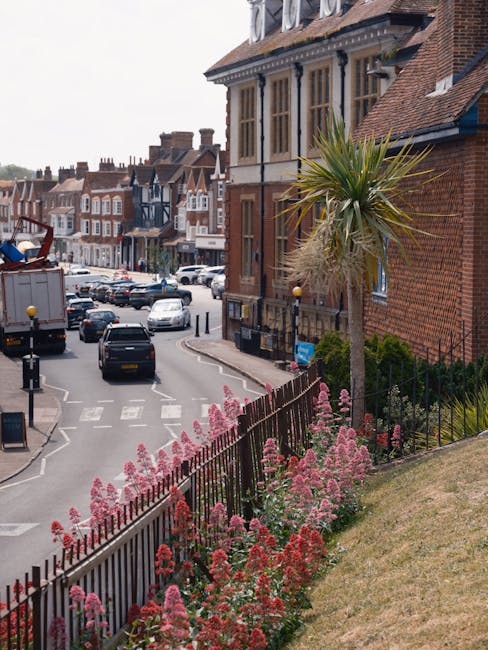
Muswell Hill Broadway guide to hiring local gardeners
If you live near Muswell Hill Broadway, you already know the little things matter in a garden. A front path that needs clearing before the bins go out. A hedge that starts leaning over the pavement. A lawn that looks tired after a wet week and then suddenly scorched when the sun shows up. This Muswell Hill Broadway guide to hiring local gardeners is here to help you choose someone reliable, local, and genuinely suited to the kind of gardens people keep in this part of North London.
Hiring the right gardener is not just about finding someone with a mower and a van. It is about matching the job to the garden, the season, and the level of help you actually need. In a busy area like Muswell Hill, that can mean anything from regular maintenance to one-off clearance, hedge trimming, lawn care, or a fuller landscaping project. Let's make it simple, and useful.
Table of Contents
- Why Muswell Hill Broadway guide to hiring local gardeners Matters
- How Muswell Hill Broadway guide to hiring local gardeners Works
- Key Benefits and Practical Advantages
- Who This Is For and When It Makes Sense
- Step-by-Step Guidance
- Expert Tips for Better Results
- Common Mistakes to Avoid
- Tools, Resources and Recommendations
- Law, Compliance, Standards, or Best Practice
- Options, Methods, or Comparison Table
- Case Study or Real-World Example
- Practical Checklist
- Conclusion
- Frequently Asked Questions
Why Muswell Hill Broadway guide to hiring local gardeners Matters
Muswell Hill has its own rhythm. Tree-lined streets, mixed property types, front gardens that often need regular tidying, and back gardens that can swing from shaded and damp to bright and exposed depending on the layout. That means a one-size-fits-all approach to gardening does not work very well. A local gardener who understands the area will usually have a better feel for access, seasonality, and the kind of upkeep local homes need.
Why does that matter? Because the wrong hire can cost you twice. First in money, then in time spent fixing avoidable problems. A gardener who is used to large open plots may not work efficiently on a compact London garden. Someone who only does occasional mowing may not be ideal if you need pruning, border care, hedge shaping, and ongoing maintenance. The goal is not simply to find a gardener. It is to find the right fit.
There is also a practical neighbourhood angle. Broadway is a busy stretch, parking can be awkward, and access may be tight. A local gardener who already works nearby is more likely to factor in loading, waste removal, and timings that suit your street. To be fair, that sort of common sense is worth a lot on a damp Tuesday morning with a pile of green waste waiting at the kerb.
How Muswell Hill Broadway guide to hiring local gardeners Works
The process is usually straightforward, but the details matter. Most people start with a rough list of what they need: regular garden maintenance, a one-off tidy-up, lawn mowing, hedge trimming, clearance, or more involved landscaping. From there, you compare gardeners based on experience, scope of work, responsiveness, and whether they understand your garden's condition.
In practical terms, a good local gardener will ask questions before giving a price. How big is the garden? Is the access easy? Are there heavy jobs involved? Do you need waste taken away? Is this a one-off visit or an ongoing arrangement? If they do not ask anything and just quote immediately, that is not always a red flag, but it does mean you should ask more yourself.
There is usually a difference between maintenance and project work. Maintenance covers repeat tasks such as mowing, weeding, pruning, edging, and tidying. Project work might involve redesigning beds, installing decking, reshaping the garden, or clearing an overgrown space before anything else can happen. A strong local provider should be able to explain which service fits your situation best. If you need a fuller overview, it can help to start with a clear services overview before you make enquiries.
Key Benefits and Practical Advantages
Hiring a local gardener near Muswell Hill Broadway gives you more than convenience. It can improve the quality of the work and reduce the amount of back-and-forth you need to manage.
- Faster response times: Local gardeners can often visit quicker, especially for urgent tidy-ups after storms or a period of growth.
- Better local knowledge: They are more likely to understand shaded front gardens, mature hedges, small access points, and the sort of seasonal problems that show up in North London gardens.
- More realistic scheduling: If they are already working nearby, appointments tend to be easier to arrange and less likely to slip.
- Clearer expectations: A gardener who works locally will often know what level of finish clients expect in the area. Not flashy, just neat, careful, and consistent.
- Lower hassle: Waste removal, parking, and equipment transport are usually simpler when someone works close by.
There is also a trust benefit. Local businesses survive on repeat work and word of mouth. That does not guarantee quality, of course, but it does mean reputation matters. And that tends to sharpen people up. A gardener who knows they may see you again at the shops, or on the same road next month, usually has a stronger incentive to do the job properly.
Expert summary: The best local gardener is not always the cheapest or the most enthusiastic. It is usually the one who understands your garden, communicates clearly, and leaves you with work that looks neat, safe, and maintainable rather than hurried.
Who This Is For and When It Makes Sense
This guide is useful if you live in Muswell Hill or near Broadway and you are deciding whether to hire help at all, or which kind of help makes sense. It is especially relevant if your garden has become too much to manage alone, or if you simply do not have the time to keep on top of it every week.
You may benefit from hiring a local gardener if you are:
- a homeowner who wants regular upkeep without spending weekends trailing after weeds
- a landlord preparing a property between tenancies
- a tenant with permission to improve the garden but not the time to do it alone
- an older resident who wants dependable help with physically demanding tasks
- a busy family trying to keep a front and back garden tidy through the growing season
- someone planning a bigger refresh and needing advice before work starts
It also makes sense if the garden is at a stage where small jobs have started to stack up. A hedge that was fine in spring now feels overwhelming. A lawn is patchy. The beds are full of self-seeded growth. Truth be told, gardens often slide quietly from "manageable" to "where on earth do we begin?" A good gardener can stop that slide before it becomes a bigger project.
Step-by-Step Guidance
If you want to hire well, work through the process in a calm order. That sounds obvious, but people often rush the middle bit and then wonder why things feel messy later on.
1. Define the job properly
Write down what you actually need. Be specific. "Garden tidy-up" is too vague on its own. Better examples are: mow front and back lawn, cut back overgrown hedge, remove weeds from borders, clear leaves, and take away waste. If you need help with a broader refresh, mention that too.
2. Decide whether you need one-off or ongoing help
Some gardens need monthly maintenance. Others just need a seasonal reset. If you are unsure, ask for a short initial visit or a one-off session first. That gives both sides a chance to see how much work is involved. You can always move to a regular arrangement later.
3. Check what services are included
Not every gardener includes waste removal, pruning, or disposal of larger cuttings. Ask what is covered in the price. That one question saves a surprising amount of confusion. And yes, "tidy up" means different things to different people.
4. Ask about experience with similar gardens
A compact urban garden with awkward access is not the same as a wide open lawn. Ask whether the gardener has handled similar spaces nearby. If you have mature shrubs, climbing plants, or a slope, mention that up front.
5. Request a clear quote
A proper quote should explain what is being done, the expected duration, any materials or disposal charges, and whether follow-up visits are needed. If a quote feels fuzzy, ask for clarification before agreeing.
6. Book a first visit and review the result
After the first job, step back and look at the result in daylight. Are the edges clean? Have the borders been left tidy? Was the waste removed properly? If you are pleased, you have probably found a keeper. If not, do not be awkward about saying so. Clear feedback helps everyone.
Expert Tips for Better Results
Over time, a few habits make a real difference. They are simple, but they matter.
- Take photos before the work starts. This is handy for bigger jobs where it helps to agree on scope. It also makes it easier to judge whether the result matches the plan.
- Group tasks together. If you need mowing, hedge trimming, and light clearance, ask whether they can be handled in the same visit. That is often more efficient.
- Be honest about your budget. A good gardener can often suggest priorities if you cannot do everything at once. Maybe the hedge first, then the lawn, then the borders later. That kind of phased approach works well.
- Keep a simple maintenance rhythm. In a London garden, small and frequent tends to beat large and occasional. It is usually easier, cheaper, and less stressful.
- Ask for practical advice, not just labour. A good gardener should be able to point out what will keep the garden healthier over time. For example, whether a patch of shade needs a different planting approach, or whether a hedge needs a gentler trim.
One small but useful tip: if you are comparing gardeners, ask how they deal with seasonal change. Spring growth, summer watering, autumn leaf fall, winter pruning. The answer tells you a lot about whether they think ahead or just turn up with secateurs and hope for the best.
Common Mistakes to Avoid
Hiring gardeners is straightforward until it is not. These are the slip-ups people make most often.
- Choosing on price alone. Cheap can be fine. Cheap and vague is another matter.
- Not defining the job. If the brief is unclear, the result usually is too.
- Assuming all gardeners do the same work. Some focus on maintenance, others on landscaping, and some are better at clearance or hedging. Match the person to the task.
- Forgetting about waste removal. Green waste adds up fast. A neat finish can be spoiled if piles are left behind.
- Ignoring access issues. Narrow paths, shared entrances, parking, and storage all matter.
- Not asking about insurance or safety practices. More on that below, because it really should not be overlooked.
A common local scenario goes like this: a client wants a "quick tidy" but the front hedge is overgrown, the back borders are choked, and the lawn has not been touched for months. That is not a bad thing. It just means the job was bigger than expected. Better to know that at the start than halfway through.
Tools, Resources and Recommendations
You do not need to become a gardener yourself, but a few basic tools and reference points can help you manage the relationship and the result.
Useful tools and practical aids:
- a simple notebook or phone note for job requests and follow-up tasks
- before-and-after photos for larger work
- a calendar reminder for repeat maintenance visits
- a rough sketch of your garden if the layout is complicated
- a short list of priorities if you are trying to stay within budget
Useful service categories to understand:
- garden maintenance for ongoing upkeep
- lawn mowing for regular cutting and basic lawn care
- hedge trimming for shaping, reducing height, and keeping boundaries tidy
- garden clearance for overgrown or neglected spaces
- landscape gardening if you are planning bigger changes to the layout or planting
If you are the sort of person who likes to compare options carefully, the pricing and quotes page can be a sensible starting point before you request work. And if you want to understand the business a little better, reading the about us page can help you gauge the tone and focus of the company before you book.
Law, Compliance, Standards, or Best Practice
For most homeowners, hiring a gardener is not legally complicated, but there are still sensible standards to follow. In the UK, it is wise to ask whether the gardener carries appropriate insurance, works safely with tools and equipment, and manages waste responsibly. If a job involves climbing, cutting, electrical tools, or heavy clearance, safety matters more than people sometimes realise.
It is also worth checking how green waste is handled. A professional should be able to explain whether they remove it, compost it, or dispose of it through an appropriate route. You do not need a lecture, just a clear answer. That is fair enough.
If work is happening near shared access points, pavements, or boundaries, a careful gardener should take reasonable steps to avoid blocking access or leaving hazards behind. Loose branches, slippery surfaces, and sharp debris are all avoidable with good practice. And if a quote sounds too good to be true, ask what is included. Sometimes the missing bit is waste removal, sometimes it is insurance, and sometimes it is just detail. Detail matters.
If you want to know more about how a provider approaches these issues, the pages on insurance and safety, health and safety policy, and recycling and sustainability are worth a look. They show the sort of standards you should expect from a careful local service.
Options, Methods, or Comparison Table
Different types of gardening help suit different needs. Here is a simple comparison to make the choice less muddy.
| Option | Best for | Typical strengths | Watch-outs |
|---|---|---|---|
| One-off tidy-up | Overgrown or neglected gardens, seasonal resets | Fast visible improvement, good for getting back on top of things | May not solve ongoing maintenance needs |
| Regular garden maintenance | Busy households, landlords, neat front and back gardens | Consistent upkeep, predictable routine, easier planning | Requires ongoing budget and scheduling |
| Specialist hedge or lawn work | Specific problem areas | Focused expertise, better finish on targeted jobs | May need separate visits for other tasks |
| Landscaping or redesign | Garden refresh, layout changes, hardscape updates | Longer-term transformation, more tailored design outcomes | More planning, more time, often higher cost |
If you are not sure which route to choose, start with the smallest sensible option. You can always expand later. That is often the least stressful way to do it, especially if the garden has been left alone for a while.
Case Study or Real-World Example
Imagine a typical Muswell Hill garden just off Broadway: a small front area with a hedge edging the pavement, a back garden with patchy lawn, and borders that have been quietly swallowing weeds for months. Nothing dramatic. Just the sort of garden that slowly asks for attention until one day you look out and think, right, enough.
The homeowner wants help but does not need a full redesign. They ask a local gardener for an initial visit and explain the priorities: clear the overgrowth, cut the hedge back to a sensible height, mow and tidy the lawn, and remove the waste. The gardener visits, checks access, points out that a section of the border needs careful pruning rather than hard cutting, and suggests a follow-up visit in early autumn to keep everything under control.
What worked well here was not fancy technique. It was clarity. The homeowner named the problem, the gardener explained the job honestly, and both sides agreed on what success looked like. The result was not a show garden, just a tidy, usable space that felt lighter the moment you stepped into it. That sort of improvement can be surprisingly uplifting on a grey afternoon. A bit of order changes the feel of a place.
If the garden had needed more than maintenance, the next step could have been a broader redesign with landscaping or more structured changes such as decking services. But for this kind of everyday job, the sensible move was to keep it practical and focused.
Practical Checklist
Use this checklist before you hire anyone. It is simple, but it saves hassle.
- Know the job: write down the exact tasks you want completed
- Decide the frequency: one-off, seasonal, or regular visits
- Check access: gates, parking, shared paths, and storage space
- Ask what is included: labour, waste removal, trimming, clearing, materials
- Ask about similar work: small gardens, hedges, lawns, clearance, or landscaping
- Request a clear quote: avoid vague wording where possible
- Check safety and insurance: especially for larger or higher-risk jobs
- Confirm timing: when they can start and how long the job should take
- Agree on follow-up: what happens after the first visit if more work is needed
- Review the result: compare the finish with your original request
One small practical note: if your garden has heavy shade, steep steps, or awkward corners, mention that early. It sounds obvious, but people do forget. Then the gardener arrives and discovers a job that takes twice as long as expected. Not ideal for anyone.
Conclusion
Hiring a local gardener near Muswell Hill Broadway should feel reassuring, not complicated. If you define the job clearly, choose someone with relevant experience, and check what is included before work begins, you are already ahead of most people. The best results usually come from straightforward communication and a shared understanding of what the garden needs now, not what it might need someday.
In a neighbourhood like this, where gardens range from compact front spaces to more ambitious back plots, local knowledge really does help. It saves time, reduces avoidable mistakes, and makes the whole process feel less like admin and more like progress. And honestly, that is what most people want: a garden that looks cared for, works for everyday life, and does not nag at you every time you glance outside.
Get a free quote today and see how much you can save.
With the right gardener, even a messy patch can start to feel like a proper part of the home again. Little by little, that matters.
Frequently Asked Questions
How do I choose the best local gardener in Muswell Hill Broadway?
Look for someone who has experience with the type of work you need, gives clear answers, and provides a detailed quote. Local knowledge, good communication, and sensible scheduling are all strong signs.
What should I ask before hiring a gardener?
Ask what is included in the quote, whether waste removal is covered, how soon they can start, and whether they have worked on similar gardens. If the job is larger, ask about insurance and safety practices too.
Is it better to hire a gardener for a one-off job or ongoing maintenance?
It depends on the garden. A one-off job is useful for clearance or a seasonal reset. Ongoing maintenance is better if you want the garden kept tidy throughout the year without it getting out of hand.
How much detail should I give when requesting a quote?
As much as possible. Mention garden size, access, specific tasks, and whether you need waste taken away. The clearer your brief, the more accurate the quote tends to be.
Do local gardeners usually remove garden waste?
Many do, but not all. Always confirm this in advance. Waste removal can affect the price and may need to be listed separately.
Can a gardener help if my garden is very overgrown?
Yes, many can. In more neglected gardens, the first visit is often a clearance and reduction job rather than normal maintenance. It helps to be honest about the condition so the gardener can plan properly.
Should I hire a gardener or a landscaper?
If you need regular upkeep, mowing, pruning, or hedge care, a gardener is usually the right choice. If you want to redesign the layout, add decking, or make bigger structural changes, landscaping may be more suitable.
What if I only need help for part of the garden?
That is completely normal. You can hire someone for just the front hedge, the lawn, or the borders. Partial jobs are common and often the smartest way to start.
How do I know if a quote is fair?
A fair quote should be clear about the tasks, time involved, and any extras. If one quote is much lower than the others, check what may be missing rather than assuming it is a bargain.
What should I do after the first visit?
Check the result in daylight, note anything that needs adjusting, and decide whether you want the gardener back regularly. A good first visit should make the garden feel lighter, neater, and easier to manage.
Are there any safety issues I should think about?
Yes. Heavy tools, ladders, sharp cuttings, and slippery ground can all create risks. It is sensible to choose someone who works carefully, keeps the area tidy, and explains how they manage safety.
Can a gardener advise on planting and long-term garden health?
A good one often can. They may not be a designer in the formal sense, but they should be able to give practical advice on pruning, seasonal care, and what will help the garden stay healthy over time.
If you are comparing local options, it can also help to read a few related articles, such as the guide on gardeners near Alexandra Palace with small garden expertise and the piece on tall potted plants that shield and beautify. They can give you extra perspective on making the most of a compact urban garden.